In the competitive world of retail and e-commerce, a product’s packaging is no longer just a protective shell; it is a critical communication tool. Often referred to as the “silent salesman,” packaging is the first physical touchpoint a consumer has with your brand.
At Cocktail Packaging, we have seen firsthand how strategic design and high-quality materials can transform a “maybe” into a “must-have.” In this comprehensive guide, we explore the psychology of packaging and how it dictates customer buying decisions.
1. The Psychology of First Impressions
Research suggests that consumers make a subconscious judgment about a product within seven seconds of seeing it. In a retail environment, your packaging has mere moments to grab attention.
Visual Hierarchy and Eye Tracking
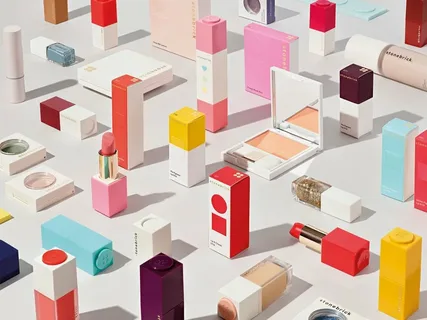
Human eyes are naturally drawn to colors, shapes, and icons before they read text. High-end packaging—like the rigid boxes offered by Cocktail Packaging—utilizes a clean visual hierarchy. By placing the most important information (the brand name or the “hero” benefit) in the visual center, you guide the customer’s decision-making process instinctively.
The Power of Color Psychology
Color is the most immediate way to trigger an emotional response:
- Red: Evokes urgency, passion, and appetite (ideal for food and beverage).
- Blue: Signals trust, reliability, and calm.
- Black: Represents luxury, elegance, and exclusivity.
- Green: Communicates health, sustainability, and organic origins.
2. Packaging as a Reflection of Brand Value
When a customer looks at a box, they aren’t just looking at cardboard; they are looking at a promise. If a brand claims to be “luxury” but uses thin, flimsy materials, the cognitive dissonance prevents the sale.
Materiality and “Haptic” Marketing
Haptic marketing refers to how the sense of touch influences brand perception. A soft-touch laminate or an embossed logo creates a tactile experience that suggests quality. At Cocktail Packaging, we specialize in premium finishes like spot UV and foiling because these textures create a “perceived value” that justifies a higher price point.
3. The Role of Functionality in Customer Retention
While aesthetics win the first sale, functionality wins the second. If a customer struggles to open a box, or if the product arrives damaged due to poor structural integrity, the brand’s reputation suffers.
Protection and Durability
The primary job of packaging is to ensure the product reaches the consumer in pristine condition. Custom-fitted inserts and durable corrugated mailer boxes are essential for e-commerce. A damaged box signals a lack of care, often leading to negative reviews and returns.
Convenience and Reusability
Modern consumers value convenience. Features like “easy-tear” strips or resealable Mylar bags (available at Cocktail Packaging) add functional value. Furthermore, if a box is beautiful and sturdy enough to be repurposed, your brand remains in the customer’s home long after the product is gone.
4. The Sustainability Shift: Eco-Friendly Decisions
The modern consumer is more environmentally conscious than ever. According to recent market studies, over 60% of consumers are willing to pay more for sustainable packaging.
Communicating “Green”
Using recyclable materials is only half the battle; you must communicate it. “Eco-friendly” labels, soy-based inks, and minimalist designs help signal to the customer that your brand shares their values. Cocktail Packaging prioritizes sustainable materials, helping brands reduce their carbon footprint while appealing to the “conscious consumer” demographic.
5. The “Unboxing” Experience: Social Media’s New Frontier
In the age of TikTok and Instagram, packaging has become a marketing channel in itself. The “unboxing” phenomenon has turned packaging into a performance.
Viral Potential
When a customer receives a package that is aesthetically pleasing, they are likely to film the opening process and share it with their followers. This is free organic marketing. To leverage this, brands use:
- Custom-printed interior graphics.
- Branded tissue paper and stickers.
- Personalized thank-you notes.
By investing in custom mailer boxes from Cocktail Packaging, you aren’t just buying a box; you are buying a content-creation tool for your customers.
6. Semantic SEO: Information Architecture on Packaging
Just as Google ranks content based on relevance and clarity, consumers “rank” products based on the information provided on the box.
Clarity and Conciseness
A “cluttered” box creates “choice paralysis.” To convert a browser into a buyer, your packaging must answer three questions instantly:
- What is this product?
- What problem does it solve?
- Why should I trust this brand?
Using clean typography and white space ensures that the most important “keywords” of your product stand out.
7. How to Optimize Your Packaging Strategy
If you want to influence buying decisions, you must approach packaging design strategically. Here is a checklist to follow:
- Know Your Audience: Is your customer a luxury seeker or a budget-conscious parent? Design accordingly.
- Consistency is Key: Your packaging must align with your website and social media presence.
- Test Your Prototypes: Use 3D mockups (like those provided by Cocktail Packaging) to see how your design looks in a real-world environment before committing to a bulk order.
- Incorporate Technology: QR codes on packaging can bridge the gap between physical and digital, leading customers to instructional videos, loyalty programs, or social media pages.
8. Conclusion: Why Packaging is Your Best Investment
In a world where digital ads are becoming more expensive and less effective, physical packaging remains a high-ROI investment. It protects your product, tells your story, and—most importantly—convinces the customer to choose you over the competition.
Whether you are looking for custom Mylar bags, luxury rigid boxes, or eco-friendly mailers, Cocktail Packaging is your partner in creating packaging that sells. Don’t let your product blend into the background. Give it the exterior it deserves and watch your conversion rates soar.